



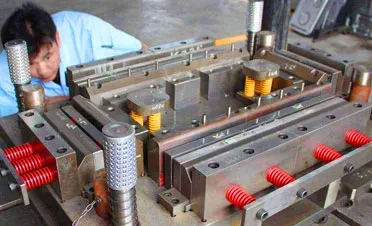

sand casting stainless steel
sand casting stainless steel
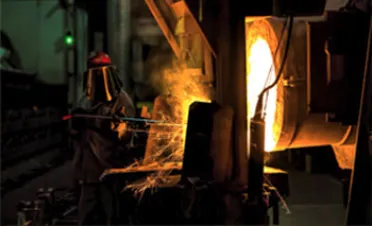
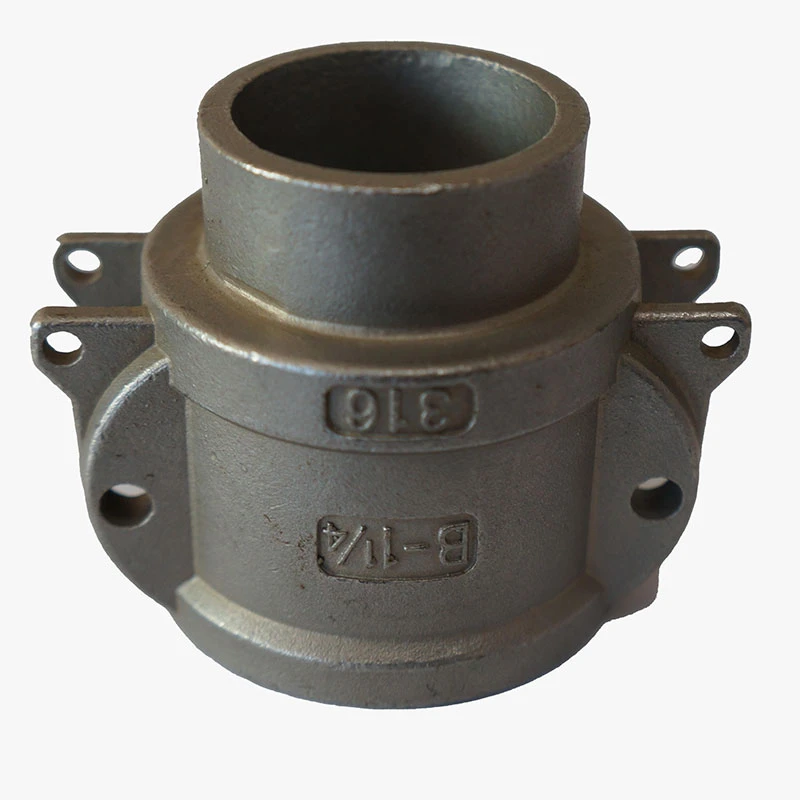
Sand Casting of Stainless Steel A Comprehensive Overview Sand casting is a traditional and widely used manufacturing process that shapes molten metal into intricate components by pouring it into a sand mold. Among the various metals that can be cast, stainless steel stands out due to its excellent mechanical properties, corrosion resistance, and aesthetic appeal. This article delves into the sand casting process tailored for stainless steel, its benefits, applications, and considerations. The Sand Casting Process The sand casting process begins with the creation of a pattern, which is a replica of the object to be cast. The pattern is typically made from metal, wood, or plastic and is slightly larger than the finished product to account for shrinkage during the cooling process. Once the pattern is ready, a two-part mold is formed by packing sand mixed with a bonding agent around the pattern. The sand needs to be tightly packed to ensure it can withstand the molten metal's weight and temperature. After the mold is created, it is carefully removed from the pattern, creating a cavity in the shape of the intended part. The next step is to pour molten stainless steel into the mold. Stainless steel is chosen for its unique properties, which become significant during the casting process. Its high melting point, typically around 1400 to 1450 degrees Celsius (2550 to 2640 degrees Fahrenheit), requires careful temperature control to ensure an efficient pouring process. Once the stainless steel has been poured into the mold, it is left to cool and solidify. Cooling times can vary based on the thickness of the casting and the specific alloy used. After sufficient cooling, the mold is broken away, revealing the cast part, which may require additional finishing processes such as grinding, machining, or polishing to achieve the desired surface finish and dimensions. Benefits of Sand Casting Stainless Steel 1. Versatility Sand casting can produce a wide range of complex shapes and sizes, making it suitable for various applications. It can accommodate both small and large components, which is particularly beneficial for industries requiring custom designs. 2. Cost-Effective For low to medium production volumes, sand casting is a cost-effective solution compared to other casting methods . The materials for sand molds are relatively inexpensive, and the process can be performed with minimal investment in tooling. sand casting stainless steel 3. Material Properties Stainless steel alloys offer exceptional strength, corrosion resistance, and durability. These properties are particularly valuable in industries like aerospace, automotive, and marine where components are exposed to harsh environments. 4. Surface Finish With appropriate sand selection and mold design, sand casting can produce components with satisfactory surface finishes. For applications where aesthetics matter, sand casting can produce parts that require only minimal post-casting finishing. Applications Stainless steel sand casting finds applications across various industries. In the automotive sector, it is used to manufacture parts such as brackets and housings. The aerospace industry utilizes sand-cast stainless steel components for engine parts and structural elements due to their weight-to-strength ratio and heat resistance. Additionally, in the marine industry, stainless steel castings are essential for ship fittings and other components exposed to saltwater, where corrosion resistance is critical. Considerations in Sand Casting of Stainless Steel While sand casting stainless steel has many advantages, there are considerations to keep in mind. One of the primary challenges is the heat retention of the sand mold, which can affect the cooling rates and lead to issues such as thermal cracking. Additionally, achieving dimensional accuracy can be challenging due to the nature of sand molds, which may require further machining to meet tight tolerances. Another aspect to consider is the potential for defects such as sand inclusions, porosity, and surface imperfections. To mitigate these issues, thorough inspection and testing of the cast parts might be necessary to ensure they meet the required standards and specifications. Conclusion Sand casting of stainless steel is a time-tested process that continues to play a vital role in modern manufacturing. Its ability to produce complex shapes while retaining the superior properties of stainless steel makes it invaluable in various industries. By understanding the process, benefits, and considerations involved, manufacturers can effectively leverage sand casting to produce high-quality components that meet the diverse needs of their applications. As technology advances, enhancements in sand casting techniques and materials are likely to further improve the quality and efficiency of this versatile manufacturing method.
-
 2026-06-15 15:49Premium OEM Auto Parts: Reliable Manufacturers & StampingOEM auto parts, OEM auto parts manufacturers, OEM auto parts suppliers, stamping auto parts, and OEM auto parts from China are key solutions in the manufacturing industry, specifically within the automobile manufacturing industry and the Manufacturing of automotive parts and accessories. This article explores how Baoding Hairun Machinery And Equipment Trading Co., Ltd. supports professionals with
 -
 2026-06-15 15:47Understanding the Principles of Abrasive Water Jet Machining and Its ApplicationsThe Working Principle of Abrasive Water Jet Machining Abrasive water jet machining (AWJM) is an advanced material removal process that utilizes a high-velocity stream of water mixed with abrasive particles to cut and shape various materials. This technology has gained considerable attention in industries such as aerospace, automotive, and manufacturing due to its versatility and ability to process
 -
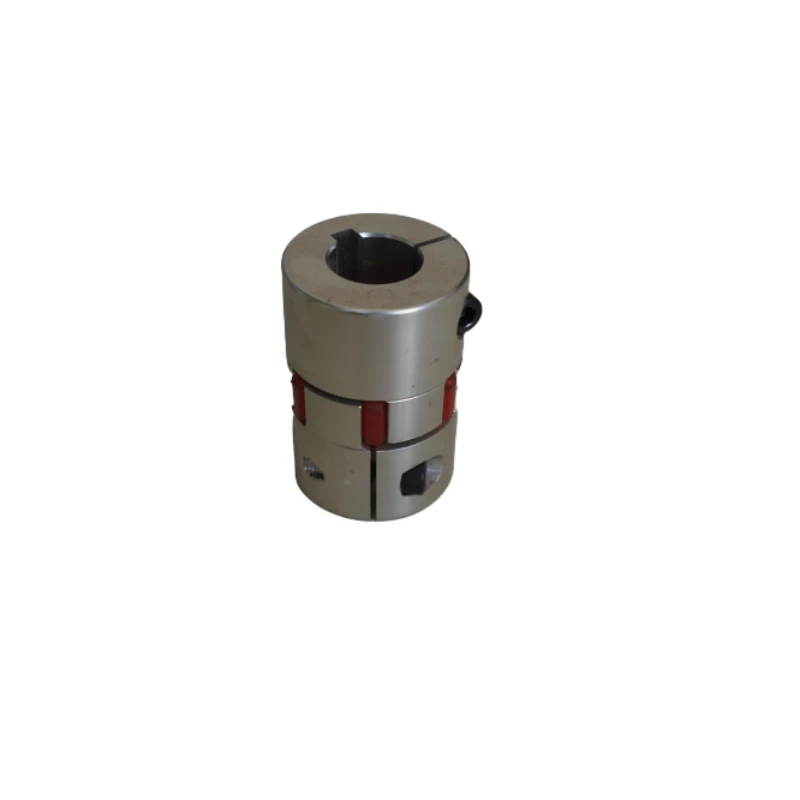 2026-06-15 15:39Precision Valve Solutions for Optimal Performance in Industrial Applicationsprecision valve sa .
 -
 2026-06-15 15:10sand casting productsEvolving in an industry teeming with competitive processes, sand casting stands out as a time-honored method offering unmatched versatility. Businesses relying on sand casting products benefit tremendously from its ability to produce complex geometries and affordable prototypes. Sand casting is a metal casting process that uses a sand mold to form metal parts. The uniqueness of this method lies in
 -
 2026-06-15 14:57sheet metal stamping dieUnderstanding Sheet Metal Stamping Dies A Key Component in Manufacturing Sheet metal stamping is a highly efficient and versatile manufacturing process that involves the use of dies to shape, cut, and form metal sheets into various components. This process is widely used in various industries, including automotive, aerospace, electronics, and appliances, due to its ability to produce high volumes